85 Businesses For Sale in Northern Territory
Results 1-20 of 85
Featured Business Listings in Northern Territory
 2
2
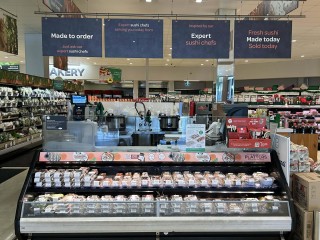
Sushi Izu Kiosk for sale Bakewell NT
Private Seller
Bakewell, NT
Price: $130,000 + SAV
- Turnover: $580,000-$600,000
- Net Profit: $25%+
- Established: Since 2016 (9 years)
 1
1
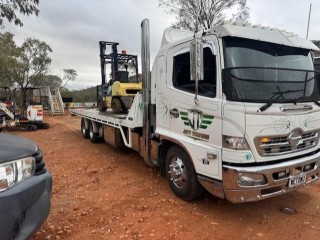
Towing Company Alice Springs
Private Seller
Alice Springs, NT
Price: $1,100,000 WIWO
- Turnover: Not disclosed
- Net Profit: Not disclosed
- Established: Over 35 years

Prickles Mexican Restaurant & Takeaway
Private Seller
Parap, NT
Price:
- Turnover: Not disclosed
- Net Profit: Not disclosed
- Established: More than 40 years

Concrete Taxi Franchise - Darwin! Mobile Truck Opportunity! Potential $100 - 200k EBITDA!
Business Brokers Network Australia
Darwin NT
Price: $290,000
- Turnover: Not disclosed
- Net Profit: Not disclosed

Gym for Sale – Fully Equipped & Ready to Operate | Palmerston, Darwin
Private Seller
Darwin CBD, NT
Price: $100,000
- Turnover: Not disclosed
- Net Profit: Not disclosed

NT Supermarket, Liquor & Wholesale Business Prime Darwin Hub
No Agent Business
Darwin CBD, NT
Price: $2,000,000
- Turnover: Not disclosed
- Net Profit: Not disclosed
- Established: Long-standing

Premier Signarama Franchise Opportunity | Thriving B2B Signage Market
Johnston Business Sales
Darwin CBD, NT
Price: $230,000-250,000
- Turnover: Not disclosed
- Net Profit: Not disclosed

Portuguese Chicken in Food Court - Darwin
Private Seller
Palmerston, NT
Price: $250,000
- Turnover: Not disclosed
- Net Profit: Not disclosed
- Established: 1989 (franchise); shop opened May 2019

Profitable Demolition Business
Private Seller
Darwin NT
Price: POA
- Turnover: Not disclosed
- Net Profit: $570,000
- Established: Many years of local presence

Guaranteed Profit (up to $5000 a month) - Chem-Dry Carpet Cleaning $10K+GST Down
Johnston Business Sales
Darwin CBD, NT
Price: $24,900
- Turnover: Not disclosed
- Net Profit: Not disclosed

Statewide Exclusive Franchise Rights | Graze Craze Northern Territory
Johnston Business Sales
Darwin CBD, NT
Price: $252,000-$383,000
- Turnover: Not disclosed
- Net Profit: Not disclosed

Chinese dumplings restaurant
Private Seller
Darwin CBD, NT
Price: $298,000
- Turnover: $15,000 – $18,000 weekly
- Net Profit: $25% net

Potential Japanese & Korean Restaurant for sale
Private Seller
Stuart Park, NT
Price:
- Turnover: Not disclosed
- Net Profit: Not disclosed

Profitable Manufacturing Business
Private Seller
Darwin NT
Price: $1,460,000 + SAV
- Turnover: Not disclosed
- Net Profit: Not disclosed
- Established: Over 25 years

Interactive Vending Machines - Massive Return-on-Investment - Now Serving Healthy-Options plus Major Brands like...
Johnston Business Sales
Darwin CBD, NT
Price: From $50,000
- Turnover: Not disclosed
- Net Profit: Not disclosed
- Established: Since 1996 (29 years)

Caf?/Bar Partnership - Ideal Entry for First Time Operator (Buy-Out Option)
Johnston Business Sales
Darwin CBD, NT
Price: P.O.A
- Turnover: $25K-$30K per week
- Net Profit: Not disclosed

Thriving Boutique Salon for Sale or WIWO - Prime Darwin lifestyle location.
Private Seller
Northern Territory
Price: POA
- Turnover: Not disclosed
- Net Profit: Not disclosed

An exciting opportunity exists to own and operate your own Aussie store in Darwin
Aussie
Darwin CBD, NT
Price:
- Turnover: Not disclosed
- Net Profit: Not disclosed
- Established: Over 30 years

Highly Profitable Premium Supplement Manufacturer & Supplier
The Finn Group
Darwin CBD, NT
Price: Expressions of interest
- Turnover: $3.39 million (2025 FY approx)
- Net Profit: $1.076 million (2025 FY approx)
- Established: Well-established

RTO For Sale - Six Figure Earnings - Owners Retiring
The Finn Group
Darwin CBD, NT
Price: $650,000
- Turnover: Not disclosed
- Net Profit: Not disclosed
- Established: 2007 (nearly 20 years)
Market Insights - Business for Sale NT
If you’re looking to buy a business in the Northern Territory, you’ll generally need around $567,648, which is the average advertised price as of December 2025. While the NT represents one of Australia’s smallest business for sale markets in terms of volume, it continues to attract interest across transport, construction, tourism, trades and essential service sectors.
Average advertised price in NT: $567,648
As of December 2025, the Northern Territory has 84 active listings on Bsale, totalling $47.6 million in advertised value. With one of the smallest listing pools nationally, individual high-value opportunities can significantly influence monthly averages. The NT ranked 7th in average price, sitting below the national average of $659,535 but continuing to hold steady.
According to Bsale’s Q3 2025 Market Report, the Northern Territory continued to build momentum despite its small market size. Listings rose 10% for the quarter, while the average asking price increased 10.5%. Although values remain slightly lower year-to-date, with such a small number of listings, the average can easily be influenced by higher valued businesses entering the market.
With gradual growth, a tight listing pool and ongoing demand in core industries, the Northern Territory remains a niche but steadily improving market for buyers seeking specialised or service-based opportunities.
> Bsale Market Insights
> Australia Business Sales Market Report – Bsale Q3 2025
What’s Selling in the Northern Territory
The Northern Territory attracts strong buyer interest across industries that support its unique geography, regional needs and steady tourism flow. Popular categories for buyers searching for businesses for sale in the NT include transport and logistics, construction and trade services, tourism and experience-based operators, hospitality and food venues, retail stores and a broad range of essential service providers.
Demand is driven by the Territory’s ongoing infrastructure development, strong visitor economy and consistent need for reliable services across remote and regional communities.
Where Buyers Are Looking in the NT
Most buyer activity in the Northern Territory centres around Darwin and Palmerston, the Territory’s main commercial hubs, where demand is strongest across hospitality, retail, logistics, trade services, construction and essential service providers. Enquiry is also growing in Alice Springs, Katherine and regional centres, with Alice Springs in particular seeing a rise in well-established, long-running businesses coming onto the market. These businesses often play a central role in their local communities, making them highly attractive to buyers seeking stable operations and consistent demand.
Tourism continues to be a major driver of interest across the NT, with buyers targeting operators connected to seasonal travel, outdoor experiences and the Territory’s iconic attractions. Across both urban and remote regions, population needs, infrastructure projects and the essential nature of many local businesses continue to shape where buyers are focusing their searches.
How to Buy or Sell a Business
Since 2000, Bsale has helped Australians buy and sell businesses across every major city and regional centre. If you’re looking to buy, start with our Buying a Business Guide to understand due diligence, valuations and finance. If you’re ready to sell, explore our Guide to Selling a Business, connect with a licensed business broker for a professional valuation, or advertise your business directly on Bsale to reach qualified buyers across Australia.
> Register for alerts
> Sell a Business
Articles to Help you Buy a Business in NT
Popular Region Searches in Northern Territory
Stay up to date with new listings

Frequently Asked Questions
How do I find the right business to buy?
Start by deciding what type of business you want to buy. Think about your budget, preferred industries, lifestyle goals and how involved you want to be day-to-day. Our Buying a Business Guide has a simple checklist that makes this part easier and helps you narrow down your options.
Once you know what you’re looking for, jump onto Bsale and use the search filters to browse businesses for sale that match your criteria. You can save your favourite listings, compare them side by side and turn on daily email alerts so you’re notified as soon as new opportunities are added.
When you’ve built a shortlist, contact the seller and take time to look closely at each business. Check the financials, customer base, competition and the owner’s reason for selling, this usually gives you a pretty clear picture of which ones are worth pursuing. When you're ready to move forward, it’s always wise to speak with an accountant, solicitor or business adviser who can help you work through the due diligence and make sure everything stacks up.
> Guide to Buying a Business in Australia
> 7 Signs You’ve Found the Right Business to Buy
How much money do I need to buy a business?
The amount you need really depends on the size, industry and location of the business. In 2025, the average advertised price of a business in Australia is around $650,000, but the range is wide. On Bsale, you’ll see everything from $20,000 start-ups to multi-million-dollar companies, so there are options to suit almost every budget.
Average advertised prices as of 1st December 2025:
|
Capital City |
State |
| Sydney: $523,508 | NSW: $608,077 |
| Melbourne: $556,098 | VIC: $581,006 |
| Brisbane: $723,604 | QLD: $756,048 |
| Perth: $644,907 | WA: $689,405 |
| Adelaide: $683,324 | SA: $672,856 |
| Hobart: $716,241 | TAS: $605,629 |
| Canberra: $493,250 | ACT: $504,325 |
| Darwin: $522,325 | NT: $567,648 |
When working out how much you actually need, the key number to look at is profit, not just the price. Most small businesses are valued using a multiple of their annual net profit (EBIT or EBITDA). Different industries sit in different ranges cafes often sell for around 1.5–2.5x profit, while trade and professional service businesses which can be more stable are usually closer to 3–5x. For example, if a business earns $150,000 a year and is priced at a 2.5x multiple, the asking price would be roughly $375,000.
It’s also worth checking what’s included in the sale. The asking price may cover goodwill, equipment and fit-out, customer lists, trademarks, software or intellectual property. Some listings are marked +SAV (stock at value), meaning inventory is added on top of the sale price.
Beyond the purchase price, buyers should budget for working capital to run the business in the first few months, a lease bond or security deposit, legal and accounting fees, and any upgrades, repairs or staffing changes needed after settlement. These costs sit outside the asking price, so it’s important to factor them into your planning.
A good approach is to set a clear budget, browse businesses in your price range on Bsale, and compare their profits, multiples and inclusions so you can understand what you can comfortably afford.
> EBITDA, EBITA, and EBIT: What These Mean and Why Accountants Use Them
What should I check before buying a business?
Due diligence is one of the most important steps when buying a business.
When you view a business for sale on Bsale, you’ll notice that not all information is public, this protects the business and its staff. To access the financials and other confidential documents, you’ll need to contact the seller or business broker.
During the buying process, you’ll need to conduct due diligence to make sure you understand every part of the business and that you’re paying a fair price. This usually involves reviewing the financials (P&L, tax returns, BAS), the lease, staff and supplier agreements, equipment, stock, and any debts or liabilities. It’s also essential to understand why the owner is selling and how the business operates day-to-day.
Because due diligence can be complex, it’s important to get advice from an accountant, solicitor or adviser who specialises in business sales. They’ll help verify the information, identify risks and make sure everything checks out before you move forward.
You want to uncover any issues during negotiation and due diligence, not after settlement. Getting it right early helps you avoid costly mistakes.
How long does it take to buy a business?
Most small business purchases take 6–14 weeks from enquiry to settlement, and enquiring through Bsale helps streamline the early stages by giving you direct access to the seller or broker. The initial phase of making contact, signing an NDA and reviewing first-round financials typically takes 1–3 weeks.
If you decide to proceed, due diligence usually takes another 2–4 weeks while your accountant and solicitor review the financials, lease, contracts, staff obligations and any potential risks.
Contract negotiation and finance approval often require a further 2–4 weeks, especially when landlords, lenders, franchisors or licensing approvals are involved. Simple, low-risk businesses can settle in under two months, while businesses requiring liquor licences, childcare approvals, medical compliance or government contracts may take 3–4 months or more.
The best way to keep things moving is to respond quickly, organise your finance early and work closely with your solicitor, accountant, finance broker and the seller throughout the process.
Who can help me buy a business?
Buying a business is much easier when you have the right people in your corner. Most buyers work with an accountant and solicitor to check the financials, lease, contracts and structure of the deal, as they play a key role in due diligence. A licensed business broker can also guide you through the process, help you understand pricing, negotiate with the seller and keep the deal moving smoothly toward settlement.
It’s also worth having a good finance broker early on. Many deals fall over because buyers can’t secure lending in time, or the bank isn’t comfortable with the numbers. A finance broker helps you understand your borrowing capacity, prepares your application properly and positions you to move quickly when you find the right opportunity.
Alongside that, you can do your own research; browse listings, compare prices, check industry trends and speak directly with sellers to get a feel for how the business operates. Platforms like Bsale make this easier by giving you access to thousands of listings in one place, along with email alerts for new opportunities that match what you’re looking for.
The goal is simple.... build a small team of professionals who can explain the risks, highlight the value and help you make a confident, informed decision.
> The 5 Experts Every Business Buyer Needs on Their Team
> Your Guide to Buying a Business in Australia
Can I get alerts for new businesses?
Yes. Bsale has a buyer alerts system that emails you new businesses for sale every morning at 6am. Once you’re registered, you’ll be notified whenever a new business is listed that matches your criteria, so you can stay ahead of other buyers and not miss opportunities.
You can also subscribe to our newsletter, sent every Tuesday and Friday, with the latest listings, market updates, and articles for buyers and sellers.
How do I sell a business?
You can sell a business either privately or with the support of a licensed business broker, it really comes down to how hands-on you want to be. Many owners choose to manage the process themselves through Bsale, creating their listing, speaking with buyers, and handling negotiations. Others prefer working with a broker who can assist with pricing, marketing, enquiries, and negotiations.
Generally, the process involves; preparing the business for sale, organising your financials, setting a realistic price, marketing the sale, managing enquiries, contract exchange through to settlement. We’ve put together resources to help you understand the process and decide what’s right for you.
> Guide to Selling a Business
> How Long Does it Take to Sell a Business?
> Read Testimonials
Why is the NT a great place to buy a business?
The Northern Territory offers a unique mix of lifestyle, affordability and demand-driven industries, making it an attractive place to buy a business. With a population of around 250,000 concentrated across Darwin, Palmerston, Katherine and Alice Springs, the NT has smaller but consistent local markets supported by essential services, tourism, construction, transport and government activity.
The Territory’s economy is heavily influenced by major infrastructure projects, defence investment, resources activity and steady year-round tourism, which creates strong demand for businesses in trades, logistics, hospitality, retail and accommodation. Fewer competing operators also mean many sectors have less saturation compared to larger states, giving new buyers room to grow and diversify.
With lower entry prices than the national average, a resilient essential-services base, and ongoing investment in defence, infrastructure and regional development, the NT provides opportunities for buyers seeking stable demand, lifestyle flexibility and long-term commercial potential.
> NT Economy Snapshot – NT Government
> NT Demographics – ABS
> Your Guide to Buying a Business in Australia - Bsale
What businesses in the NT are buyers most interested in?
Buyer demand in the NT is strongest in industries tied to essential services, tourism and major infrastructure activity. Transport and logistics businesses remain highly sought-after due to the Territory’s reliance on freight, remote servicing and defence-related movement. Construction, trades and maintenance businesses also attract steady interest, driven by ongoing government and private development across Darwin and regional centres.
Hospitality, tourism and accommodation businesses see consistent demand thanks to the Territory’s year-round visitor economy and iconic destinations such as Kakadu, Uluru, Litchfield and the Tiwi Islands. Retail, convenience, service-based businesses and small food operators (cafes, takeaways, mobile food) also perform well in areas with strong local foot traffic.
Overall, NT buyers gravitate toward established, demand-driven operations that support local communities, service remote regions or benefit from the Territory’s strong tourism and infrastructure pipeline.
Which areas of the NT are best for owning a small business?
The Northern Territory has a small but steady business landscape, with activity concentrated around a few key hubs. Darwin is the Territory’s main commercial centre and the strongest location for small businesses, supported by government services, defence activity, tourism, hospitality and retail. Suburbs such as Darwin CBD, Parap, Nightcliff and Casuarina offer reliable local demand and high foot traffic, especially around major shopping centres like Casuarina Square.
South of Darwin, Palmerston continues to grow quickly and is popular for trades, construction, childcare, health services and neighbourhood retail due to its young population and ongoing housing development.
In regional NT, Alice Springs is a major service hub for remote communities, attracting demand for hospitality, tourism operators, trades, transport, health and essential services. Katherine and Tennant Creek also provide strong opportunities in accommodation, transport, tourism and support services tied to regional travel and government work.
Overall, the best-performing NT locations are those with steady local populations, consistent government and defence activity, or high tourist visitation making Darwin, Palmerston, Alice Springs and Katherine the strongest areas for small business ownership.
What Government support is available in the NT?
The Northern Territory Government provides a range of grants, training programs and advisory services to support small business owners, buyers and operators. Much of the support is focused on helping local businesses grow, innovate and employ, particularly in priority sectors such as tourism, trades, hospitality, transport and services.
Popular programs include business improvement grants, digital capability funding, skills and workforce development support, and assistance for businesses operating in remote or regional areas. The NT Government also offers targeted programs for tourism operators and Indigenous-owned businesses, which play a significant role in the Territory’s economy.
While immigration pathways are managed federally, the NT participates in certain skilled migration nomination streams that may support business owners or operators relocating to the Territory, subject to eligibility.
Here are useful government links for NT business owners:
> Business Grants & Programs – NT Government
> Business Support Services – NT Business
> Skilled Migration Pathways – Northern Territory Government